
What comes to mind when you first think about Coca-Cola? Is it the taste of the soda? The refreshing sound of opening a can on a hot summer day before quenching your thirst? Or perhaps you revisit a sweet memory in which the brand plays some sort of role.
I’m confident that for the majority of you reading this, your recollection of the brand favors more towards what Coca-Cola stands for rather than for the taste of the products they offer. In fact, I recently read an article on the American Marketing Association’s website regarding the failure of New Coke when it launched in 1985. Although studies predicted that consumers should have liked the taste of New Coke better than the existing product, Coca-Cola fans were not as pleased with the company’s decision to replace the original formula, going back on company tradition.
Coca-Cola soon realized that customers didn’t care about the taste of their drinks as much as they invested in the tradition of the brand. The company thus reinstated their hundred-year-old formula and has capitalized on brand narrative ever since. One of their more recent campaigns even promotes consumers to “taste the feeling”.
(Click here to read more on J. Walker Smith’s article regarding “The Power of Narrative” https://www.ama.org/marketing-news/the-power-of-narrative/).
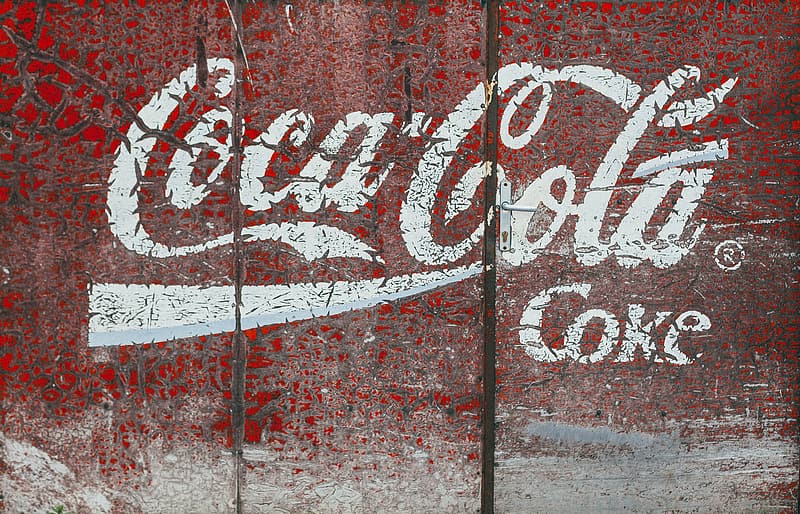
With the evolution of branding and brand identity comes an even greater push for storytelling in marketing. Whereas the term “brand” used to refer to more tangible products or the services a company offers, the term has now come to demonstrate the intangible elements of a business, such as reputation and the ability of that company to fulfill their brand promise, or the value they claim to offer.
Authenticity and brand narrative remain especially important with the rise of two-way communication as it exists in social media marketing. Since much of social networks typically involve users connecting with other users, it’s safe to say that people are unwilling to connect with a brand that constantly spams followers solely with advertisements about the products or services they provide. Companies must take advantage of the opportunity on the platform to get creative with their content and strive to engage with, rather than just promote to, consumers. Video content and live streaming on digital devices allows for an incredible opportunity for consumers to interact with their favorite brand and get to see the heart of the company. It’s much easier to build brand loyalty with customers when they get to see a real personality behind your brand.
While it may seem like marketing has become much more complex over the years, running a company that evolves on the passions of those who founded it must come first, with the rest following naturally. Many consumers prefer to engage with raw and real content, which is typically much easier to create consistently (another key to successful social media marketing especially) than highly produced content all the time. Don’t be afraid to have personality as a brand. In fact, embrace it! After all, that’s what consumers want to see most.
If you liked this article, I’d love for you to give it a like and check out some of my previous posts. Leave me a comment telling me what your favorite brand is, and what it is that they stand for. Also, don’t forget to follow my blog for future uploads pertaining to social media marketing!
 The More Social Business